

The Power of Commercial Interior Design: Business Space Design Tips
Creating an effective business environment goes beyond just functionality. The design of a commercial space can significantly influence customer perception, employee productivity, and overall brand identity. Thoughtful business space design tips can transform ordinary offices, retail stores, or hospitality venues into dynamic, welcoming, and efficient environments. This article explores how strategic interior design can empower your business and offers practical advice to help you make the most of your commercial space.
Business Space Design Tips to Enhance Your Environment
When designing a commercial space, it is essential to consider both aesthetics and practicality. Here are some key tips to help you create a space that works for your business needs:
Prioritise natural light: Maximising daylight not only reduces energy costs but also improves mood and productivity. Use large windows, glass partitions, or skylights to bring in as much natural light as possible.
Choose the right colour palette: Colours affect emotions and behaviour. For example, blue tones can promote calmness and focus, while reds and oranges can energise and stimulate creativity.
Incorporate flexible layouts: Spaces that can be easily reconfigured allow for adaptability as your business grows or changes. Modular furniture and movable partitions are excellent options.
Focus on ergonomics: Comfortable seating and well-designed workstations reduce fatigue and increase efficiency.
Use branding elements subtly: Integrate your brand colours, logos, and values into the design without overwhelming the space. This reinforces brand identity and creates a cohesive experience for visitors.
By applying these tips, you can create a commercial environment that supports your business goals and leaves a lasting impression on clients and employees alike.
What is commercial interior design?
Commercial interior design is the art and science of enhancing the interiors of commercial spaces to achieve a healthier and more aesthetically pleasing environment for the people using the space. Unlike residential design, it focuses on functionality, safety, and compliance with regulations, while also reflecting the brand’s identity and values.
This discipline covers a wide range of spaces, including offices, retail stores, restaurants, hotels, healthcare facilities, and more. Designers work closely with architects, contractors, and business owners to create spaces that are not only visually appealing but also efficient and comfortable.
Key aspects of commercial interior design include:
Space planning: Optimising the layout to improve flow and usability.
Material selection: Choosing durable, easy-to-maintain materials suitable for high traffic.
Lighting design: Balancing natural and artificial light to enhance mood and visibility.
Acoustic solutions: Minimising noise distractions in busy environments.
Safety and accessibility: Ensuring compliance with building codes and accessibility standards.
Understanding these elements helps businesses create spaces that support their operations and enhance user experience.

How design influences customer experience and employee productivity
The design of a commercial space directly impacts how customers perceive your brand and how employees perform their tasks. Here’s how:
Customer Experience
First impressions matter: A well-designed entrance and reception area can set a positive tone for visitors.
Ease of navigation: Clear signage and logical layouts help customers find what they need quickly.
Comfort and ambiance: Comfortable seating, pleasant lighting, and appealing decor encourage customers to stay longer and return.
Brand storytelling: Design elements that reflect your brand’s story create emotional connections with customers.
Employee Productivity
Reduced distractions: Thoughtful layouts and acoustic treatments help employees focus.
Comfortable workstations: Ergonomic furniture reduces physical strain and fatigue.
Collaborative spaces: Designated areas for teamwork foster creativity and communication.
Access to amenities: Convenient break areas and natural light improve overall well-being.
By investing in your commercial space design, you create an environment that supports both your customers and your team, ultimately driving business success.
Practical steps to implement effective business space design
Implementing a successful design project requires careful planning and execution. Follow these steps to ensure your commercial space meets your objectives:
Define your goals: Identify what you want to achieve with the redesign. Is it to improve customer flow, increase employee satisfaction, or enhance brand visibility?
Assess your current space: Analyse the strengths and weaknesses of your existing layout and design.
Set a budget: Determine how much you can invest and allocate funds accordingly.
Hire professionals: Engage experienced interior designers who specialise in commercial projects.
Develop a design concept: Collaborate with your design team to create mood boards, floor plans, and material samples.
Plan for flexibility: Ensure the design can adapt to future changes in your business.
Communicate with stakeholders: Keep employees and customers informed about upcoming changes.
Implement in phases: If possible, carry out the redesign in stages to minimise disruption.
Evaluate and adjust: After completion, gather feedback and make necessary improvements.
Following these steps will help you achieve a well-designed commercial space that aligns with your business needs.
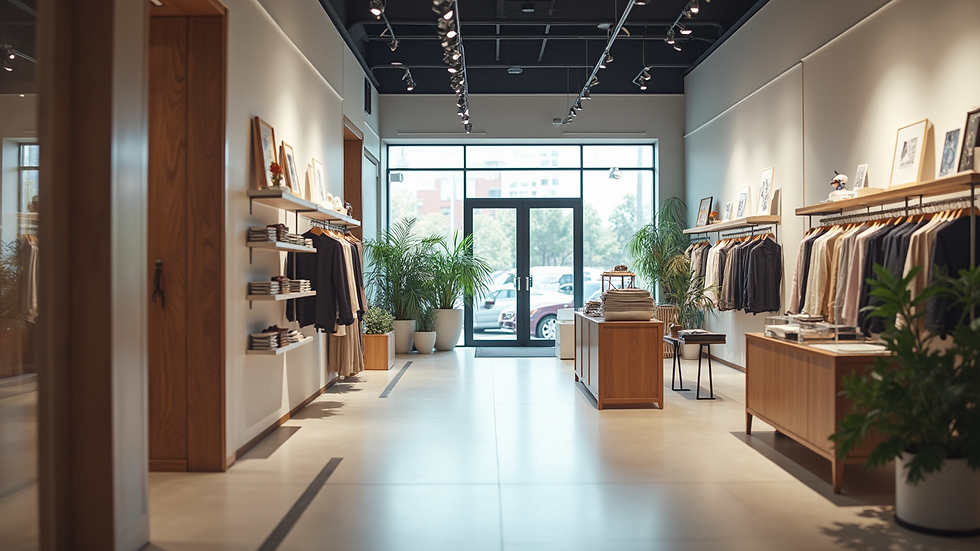
Maximising ROI through smart commercial space design
Investing in your commercial interior design can yield significant returns. Here’s how to maximise your return on investment (ROI):
Enhance brand perception: A professional and attractive space builds trust and encourages repeat business.
Increase employee retention: Comfortable and inspiring work environments reduce turnover costs.
Boost sales: Retail spaces designed to highlight products and facilitate easy browsing can increase purchase rates.
Reduce operational costs: Energy-efficient lighting and durable materials lower maintenance and utility expenses.
Attract top talent: Modern, well-designed offices appeal to skilled professionals.
To ensure your investment pays off, focus on design choices that align with your business strategy and customer expectations. Regularly update your space to keep it fresh and relevant.
By understanding and harnessing the power of commercial interior design, you can create business spaces that not only look impressive but also function effectively. Applying these business space design tips will help you build environments that inspire confidence, foster productivity, and support your long-term success.


Comments