

Redefining Living with Urban Residential Architecture
Urban living is evolving rapidly, and with it, the way we design and experience our homes. Modern urban homes are no longer just places to sleep and eat; they are dynamic spaces that blend functionality, sustainability, and style. This transformation is driven by innovative design principles and a deeper understanding of how people interact with their environments. In this post, we will explore how contemporary architecture is reshaping urban residential spaces to create homes that truly enhance the quality of life.
The Rise of Modern Urban Homes: A New Era in Residential Design
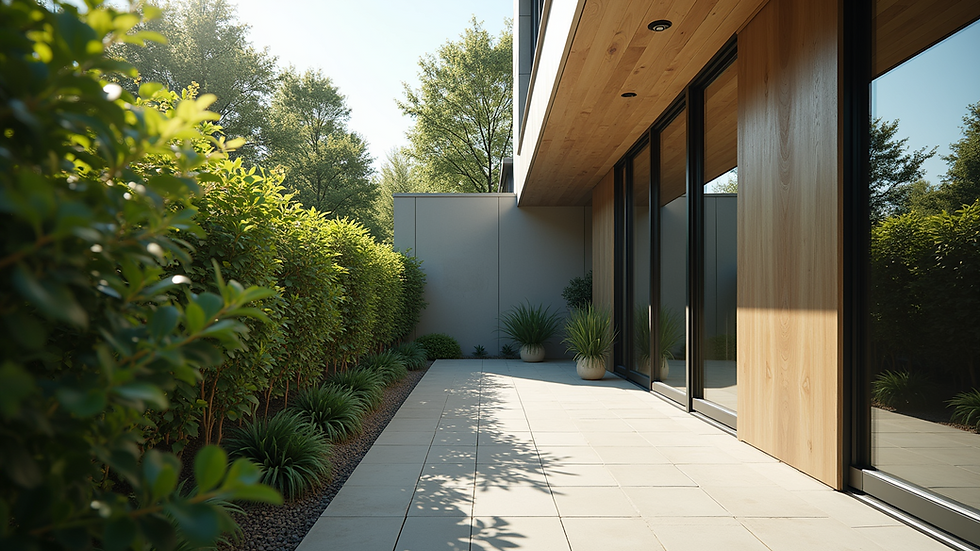
Modern urban homes are characterised by clean lines, open spaces, and a seamless connection between indoor and outdoor living. These homes prioritise natural light, ventilation, and efficient use of space, making them ideal for city dwellers who often face space constraints.
One key feature of modern urban homes is the integration of smart technology. From automated lighting and climate control to security systems, technology enhances convenience and energy efficiency. For example, smart thermostats can learn your schedule and adjust temperatures accordingly, reducing energy waste and lowering bills.
Another important aspect is sustainability. Many modern urban homes incorporate eco-friendly materials and renewable energy sources such as solar panels. Green roofs and rainwater harvesting systems are also becoming common, helping to reduce the environmental footprint of urban living.
Practical Tips for Designing Your Modern Urban Home
Maximise natural light: Use large windows, skylights, and glass doors to brighten interiors.
Create flexible spaces: Design rooms that can serve multiple purposes, such as a home office that doubles as a guest room.
Incorporate greenery: Indoor plants and vertical gardens improve air quality and add a calming touch.
Choose sustainable materials: Opt for bamboo flooring, recycled metal, and low-VOC paints.
Invest in smart home devices: Enhance comfort and security with connected technology.
Embracing Functionality and Style in Modern Urban Homes
Functionality is at the heart of modern urban home design. With limited space, every square metre must serve a purpose without compromising aesthetics. Open-plan layouts are popular because they create a sense of spaciousness and encourage social interaction.
Storage solutions are cleverly integrated to keep clutter out of sight. Built-in shelves, under-stair storage, and multi-functional furniture help maintain a clean and organised environment. For instance, a sofa with hidden compartments or a bed with drawers underneath can significantly increase storage capacity.
Style is equally important. Modern urban homes often feature minimalist decor with neutral colour palettes accented by bold artwork or statement furniture. This approach creates a sophisticated yet welcoming atmosphere.
Examples of Functional and Stylish Features
Open kitchens with islands: Perfect for cooking and entertaining.
Sliding doors: Save space and add a sleek look.
Floating shelves: Provide storage without bulk.
Neutral tones with pops of colour: Keep spaces calm but interesting.
Textured materials: Add depth and warmth to minimalist designs.

How Urban Residential Architecture is Shaping the Future of City Living
The concept of urban residential architecture is pivotal in redefining how we live in cities. It focuses on creating homes that respond to the unique challenges of urban environments, such as limited space, noise pollution, and the need for community connection.
One innovative approach is the use of modular construction. Prefabricated modules can be assembled quickly on-site, reducing construction time and costs. This method also allows for greater design flexibility and easier future expansions.
Community-oriented designs are gaining traction as well. Shared gardens, rooftop terraces, and communal lounges encourage social interaction and foster a sense of belonging among residents. These features are especially valuable in dense urban areas where private outdoor space is scarce.
Actionable Recommendations for Urban Homebuyers and Builders
Consider modular homes: Faster build times and adaptability.
Prioritise soundproofing: Use double-glazed windows and insulated walls.
Design for community: Include shared spaces to enhance social life.
Focus on accessibility: Ensure homes are easy to navigate for all ages and abilities.
Plan for future needs: Design flexible spaces that can evolve with your lifestyle.
Sustainability and Wellness: The Cornerstones of Modern Urban Homes
Sustainability and wellness are no longer optional but essential elements of modern urban home design. Homeowners are increasingly aware of their environmental impact and the importance of living spaces that promote health and well-being.
Energy-efficient appliances, LED lighting, and smart water management systems reduce resource consumption. Passive design strategies, such as orienting homes to capture sunlight and using natural ventilation, further enhance energy savings.
Wellness-focused features include ample natural light, good air quality, and spaces dedicated to relaxation and exercise. Biophilic design, which incorporates natural elements like wood, stone, and plants, helps reduce stress and improve mental health.
Tips for Creating a Sustainable and Healthy Urban Home
Install energy-efficient windows and insulation.
Use non-toxic, natural building materials.
Incorporate indoor plants to improve air quality.
Design spaces for physical activity, such as yoga corners or small gyms.
Maximise daylight to support circadian rhythms.
The Future of Urban Living: Trends to Watch in Modern Urban Homes
As cities continue to grow, the demand for innovative urban residential solutions will increase. Here are some trends shaping the future of modern urban homes:
Micro-living: Compact, highly efficient homes designed for single occupants or couples.
Co-living spaces: Shared housing that combines private bedrooms with communal areas.
Smart neighbourhoods: Communities integrated with IoT technology for enhanced safety and convenience.
Adaptive reuse: Transforming old industrial buildings into stylish residential units.
Green infrastructure: Incorporating parks, green roofs, and urban farms into residential developments.
These trends reflect a shift towards more sustainable, connected, and flexible urban lifestyles.
Creating Your Ideal Modern Urban Home
Designing or choosing a modern urban home involves balancing aesthetics, functionality, and sustainability. Whether you are building from scratch or renovating an existing property, consider how your home can support your lifestyle and values.
Start by assessing your needs and priorities. Do you require a home office? Is outdoor space important? How much natural light do you want? Work with architects and designers who understand the principles of modern urban living and can tailor solutions to your context.
Remember, a modern urban home is more than just a building - it is a space that nurtures your well-being, connects you to your community, and respects the environment.

By embracing the innovations and principles of modern urban homes, you can enjoy a living space that is not only beautiful and practical but also future-ready. Explore the possibilities and redefine what it means to live well in the city.


Comments